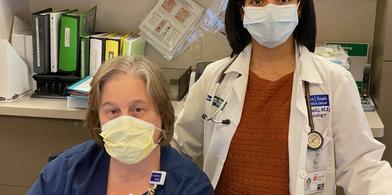
For patients living with end-stage renal disease, starting dialysis is a life-changing event. It introduces new routines, new challenges, and a new normal. The savings in time, transportation costs, and the stress of navigating weather and travel restrictions are significant for patients who may already be facing physical and emotional challenges. Thanks to advancements in home hemodialysis, now available through Froedtert Pleasant Prairie Hospital, these barriers can be removed entirely and that new normal can look more like the life patients already know.
What Is Home Hemodialysis?
Dialysis is a life-sustaining treatment that takes over the work of failed kidneys. During hemodialysis, blood is filtered through a dialyzer—sometimes called an artificial kidney—to remove waste, toxins, and excess fluids from the body. Traditionally, this process has occurred in a clinic, requiring patients to travel to a dialysis center multiple times per week. However, home hemodialysis, using specialized equipment designed for safe and effective use outside a clinical setting, offers a powerful alternative. Patients receive comprehensive training before independently managing their treatment, which can provide a significantly greater level of freedom.

Sirisha Gudlawar, M.D., Nephrologist
“By choosing any kind of dialysis treatment, our goal is always to provide good quality of life for our patients. Home hemodialysis performed in the comfort of your home is a desirable option for some patients, and it helps them maintain a lifestyle and schedule similar to their life before needing dialysis.” —Dr. Sirisha Gudlawar, Nephrologist
Who Is a Candidate?
The criteria for initiating dialysis remain consistent regardless of the modality chosen. Once a physician determines that dialysis is necessary, patients and their care teams discuss which option best suits their health needs and lifestyle. An important requirement for home hemodialysis is access placement—a procedure done prior to starting any form of dialysis that creates a reliable point for blood to flow in and out of the body during treatment. Patients also need a care partner (a family member, friend or trusted individual) who will participate in the training process alongside them.
The Training Process
Before going home with their equipment, patients complete a comprehensive, hands-on training program to ensure that both the patient and their care partners feel confident and prepared to perform treatments safely and effectively. Support does not end once training is complete. Nursing staff remain accessible around the clock, ready to answer questions and provide guidance whenever patients need assistance.
“Patients will be trained anywhere from 4–6 weeks along with their care partner. Patients should be able to perform dialysis at home without any assistance upon completion of training.”
—Dr. Gudlawar
More Than Just Convenience
Home hemodialysis offers numerous advantages that extend beyond convenience and the comfort of staying home. For many patients, these benefits positively impact nearly every aspect of their health and daily life. One of the most significant advantages is the freedom that it provides. Treatments can be scheduled at any time that suits the patient, eliminating the need to organize life around clinic appointments.
“Home hemodialysis gives you the freedom to work around your schedule. Patients retain their ability to travel and work.” —Dr. Gudlawar
Improved Outcomes
Since home hemodialysis allows for more frequent sessions or longer treatment times, the body benefits from a gentler, more consistent process—one that more closely mimics the continuous function of a healthy kidney. Patients often report feeling less fatigued, experiencing less nausea, and experiencing fewer cramps—common side effects that can significantly impact quality of life with in-center dialysis. Blood pressure control also improves with home hemodialysis, and the risk of cardiovascular mortality—one of the leading causes of death among dialysis patients—is significantly reduced.
“This modality of dialysis is gentler on your body and can get you closer to normal kidney function. Given the frequent dialysis sessions or longer treatments, there is improved control of fluid and electrolytes, which will reduce pill burden for patients and may even liberalize the diet.” —Dr. Gudlawar
A Meaningful Step Forward
The launch of the home hemodialysis program at Froedtert South demonstrates the health system’s dedication to meeting patients where they are. For individuals with end-stage renal disease, this commitment goes beyond clinical excellence. It offers them the opportunity to continue working, traveling, and living life on their own terms.
“Initiating dialysis is a significant undertaking for anyone, and we strive to make it easier and more comfortable for all our patients.” —Dr. Gudlawar
The Dialysis Department is in Froedtert Pleasant Prairie Hospital at 9555 76th St. For more information about dialysis options, call (262) 577-8400.